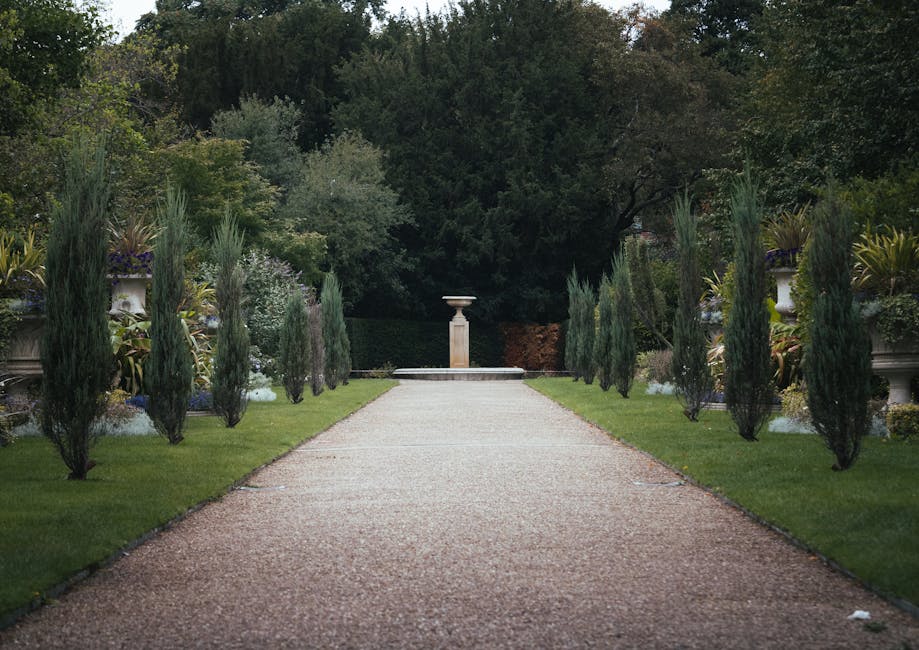
Local gardeners for Roehampton estate patios near Wandsworth Park

If you are looking for local gardeners for Roehampton estate patios near Wandsworth Park, chances are you want more than a quick sweep and a few dead leaves removed. You want a patio that feels cared for, safe underfoot, and ready for everyday life - morning coffee, a couple of chairs, maybe a pot or two that actually survives London weather. In Roehampton, where estate outdoor spaces can pick up shade, damp, moss, and the odd bit of wear from busy communal use, the details matter. A good local gardener notices those details and handles them before they turn into bigger problems.
This guide explains how patio garden care works, what to look for in a local team, when it makes sense to bring someone in, and how to avoid the common mistakes that leave paved spaces looking tired again within weeks. You will also find a practical checklist, a comparison table, and a real-world style example to make the decision easier. If you want a broader view of available help, it can also be useful to look at the full services overview and the company's approach to ongoing garden maintenance.
- Why this matters locally
- How the service works
- Key benefits and practical advantages
- Who needs this and when it makes sense
- Step-by-step guidance
- Expert tips for better results
- Common mistakes to avoid
- Tools, resources and recommendations
- Law, compliance, standards, or best practice
- Options, methods, or comparison table
- Case study or real-world example
- Practical checklist
- Conclusion
- Frequently asked questions
Why Local gardeners for Roehampton estate patios near Wandsworth Park Matters
Patios in estate settings are a different beast from a small private garden. They often get more foot traffic, more shade from surrounding buildings, and more everyday mess from shared living. Add in nearby greenery, wind-blown debris, and the usual London cycle of wet spells followed by a surprisingly dry patch, and you have a surface that can slip from "fine" to grubby quickly. That is why local knowledge counts.
Roehampton has a mix of residential estates, planted communal areas, and private outdoor spots where paving, raised beds, borders, and decking-style finishes all need regular attention. Near Wandsworth Park, the local environment can also influence how quickly algae, leaf litter, and damp build up. It is not glamorous work, to be fair, but it is the kind of upkeep that keeps a place looking cared for rather than neglected.
Local gardeners understand the seasonal rhythm of the area. They know when patios need a deeper clean after winter, when edges start softening in spring, and when growth around the perimeter begins to creep into cracks and joints. That kind of practical awareness saves time and usually saves money too, because small jobs stay small.
Key takeaway: The best patio care is not only about cleaning the surface. It is about keeping weeds, drainage issues, moss, and overgrowth under control so the patio stays usable, tidy, and low-stress all year.
How Local gardeners for Roehampton estate patios near Wandsworth Park Works
The process is usually straightforward, but good results come from doing the basics properly. A local gardener starts by looking at the patio as a whole: the paving material, drainage, edging, plant growth, access, and the amount of use the area gets. A shared estate courtyard will need a different approach from a private terrace with three pots and a bench. Obvious enough, but it is surprising how often that gets glossed over.
From there, the work normally falls into a few stages:
- Assessment. The gardener checks for weeds, slippery algae, leaf build-up, blocked joints, damaged slabs, and any plants encroaching on the hard surface.
- Clearance. Loose debris, dead foliage, and litter are removed first so the patio can actually be cleaned properly. For bigger overgrown spaces, a full garden clearance may be the sensible starting point.
- Detailed cleaning. This may involve brushing, scraping, hand weeding, or a gentle wash depending on the surface and condition.
- Edge and border work. Borders, pots, and surrounding planting are trimmed or refreshed so the patio looks intentional, not like the garden is spilling in from the sides.
- Ongoing care. A regular maintenance schedule helps prevent rapid regrowth and keeps the area tidy between larger visits.
There is no magic trick, really. The difference comes from consistency and a cautious approach. A well-trained local gardener knows that patio materials matter. Sandstone, concrete paving, porcelain slabs, and older flagged surfaces all react differently to cleaning methods and foot traffic. A heavy-handed clean can do more harm than good, which is why local experience is worth having.
In some cases, the service may be paired with adjacent work such as lawn mowing, hedge trimming, or broader landscaping if the patio sits within a larger outdoor space that needs balancing out. That is often the best way to stop the patio feeling like an isolated patch rather than part of a whole garden.
Key Benefits and Practical Advantages
The obvious benefit is that the space looks better. But there is more to it than curb appeal, especially in a shared estate setting where first impressions and everyday usability both matter.
- Safer footing: Regular cleaning reduces moss, wet leaf film, and algae that can make paving slick.
- Better presentation: A tidy patio instantly makes a communal or private outdoor area feel more cared for.
- Longer surface life: Dirt and organic build-up can hold moisture against paving and jointing materials, which is never ideal.
- Less weeds and regrowth: Trimming back edges and clearing joints early is usually easier than waiting until the whole thing has gone wild.
- More usable space: Chairs, planters, and small seating areas work better when the surface is level, clean, and unobstructed.
- Lower stress for residents or managers: A reliable routine means fewer complaints, less sudden panic before visitors arrive, and fewer awkward "we really should sort that" moments.
There is also a quieter benefit that people often underestimate: calm. A clean patio makes an outdoor area feel finished. You notice it when you step outside on a bright morning and the space does not immediately shout for attention. It just works.
Who This Is For and When It Makes Sense
This kind of service is a good fit for several types of people and properties. If you are in Roehampton and managing an estate patio near Wandsworth Park, you may already know where the pain points are. Still, it helps to name them clearly.
- Residents with private patios who want a neat, low-maintenance outdoor sitting area.
- Estate managers and landlords who need outdoor spaces kept presentable without constant chasing.
- Block or property maintenance teams looking for a dependable local gardening partner.
- Busy households that simply do not have the time, tools, or inclination to keep up with the patio edgework.
- People preparing for guests, lettings, or sales who need the outdoor area to look smart quickly.
It makes sense to book help when you notice recurring issues rather than waiting for a full-scale mess. If weeds are regularly coming back through the joints, if leaves keep collecting in the same corners, or if the patio has become slippery in shaded areas, that is usually the point where professional maintenance pays off. You do not need to let it get dramatic. It is a patio, not a hostage situation.
For some properties, occasional work is enough. For others, particularly communal estate spaces, regular visits are the better option because the surface gets used heavily and the weather does its thing. A local team can help match the frequency to the space rather than forcing a one-size-fits-all schedule.
Step-by-Step Guidance
If you are trying to decide what should happen first, here is a sensible sequence that tends to produce the best results. It is simple, but simple is often what works.
- Walk the patio with fresh eyes. Look for obvious slip risks, weed growth, stains, pooled water, broken edges, and plant spillover.
- Identify the material. Different surfaces need different care. If you are not sure what the patio is made from, ask before using any treatment.
- Clear the loose debris. Leaves, twigs, dirt, and litter should come off first so you can see the real condition of the surface.
- Remove weeds and moss properly. Pulling the visible growth is useful, but the key is dealing with the roots or regrowth points where possible.
- Clean edges, corners, and joints. These are the places that make a patio look tired even when the centre is fine.
- Tidy the surrounding planting. A patio looks much better when the borders, planters, and nearby beds are shaped and controlled.
- Check drainage and standing water. If water lingers after rain, there may be a slope or blockage problem to look at.
- Set a maintenance rhythm. One tidy-up is nice. Regular maintenance is what keeps the improvement visible.
If the patio sits alongside hard landscaping or timber features, it can be worth bundling in related work such as decking services or lawn mowing so the outdoor space feels coherent rather than patched together over time.
Expert Tips for Better Results
Here are the kinds of details that separate a decent tidy-up from a patio that actually stays in good shape.
- Work from the edges inward. It sounds minor, but it helps stop debris being dragged back across a surface you have already cleaned.
- Do not over-wet older paving. Too much water can spread dirt into joints or expose weak spots in older surfaces.
- Keep an eye on shade. Shadier areas near walls, fences, or mature planting usually need more frequent attention.
- Trim before the spill starts. Once plants begin to arch over the patio, the space feels smaller and harder to keep clean.
- Use the right pressure level for the material. More force is not automatically better. In fact, it can be the opposite. A bit annoying, but true.
- Schedule seasonal resets. Spring and early autumn are often practical points to refresh the space, especially after leaf drop or winter damp.
One overlooked detail is furniture placement. If chairs, pots, or storage boxes always sit in the same place, dirt and moisture collect underneath them. A gardener who moves items carefully, cleans beneath them, and then resets the space makes the whole job last longer. That small extra step makes a surprising difference.
If sustainability matters to you, you may also want to ask how green waste is handled. Some teams build recycling into their routine, and it is sensible to look at the company's recycling and sustainability approach when choosing a provider.
Common Mistakes to Avoid
Patio care looks easier than it is. A few common mistakes can undo good work fast.
- Leaving weeds too long: The longer they sit, the more established they become in cracks and joints.
- Using harsh methods on delicate surfaces: Strong cleaning methods can mark, etch, or loosen older materials.
- Ignoring drainage: If water is pooling, the patio will keep returning to the same damp, slippery state.
- Cleaning only the centre: A patio can look neat in the middle and still read as messy if the edges are overgrown.
- Booking once and forgetting it: In estate settings, that usually means the same issues come right back.
- Overstuffing the space with pots: Too many planters trap moisture, clutter walkways, and make sweeping awkward.
Truth be told, most patio problems are not dramatic at first. They build quietly. A bit of algae here, a weed in the corner there, one slab that never quite drains properly. Then one day you step outside and think, "Right, we need to sort this." Better to catch it before that moment arrives.
Tools, Resources and Recommendations
You do not need a van full of gear to maintain a patio, but the right tools make the job cleaner, safer, and faster. For many estate spaces, a local gardener will bring the essentials and work with a practical kit rather than overcomplicating the job.
| Tool or material | Best use | Why it helps |
|---|---|---|
| Stiff broom | Daily or weekly sweeping | Keeps grit, leaves, and loose debris from settling into joints |
| Hand weed tools | Cracks, edges, and tight spaces | Lets you remove growth without damaging paving |
| Bucket and soft brush | Gentle surface cleaning | Useful for older or more delicate patio materials |
| Suitable outdoor cleaner | Stains and organic build-up | Can lift grime without needing excessive pressure |
| Secateurs or shears | Border and planter tidy-up | Helps keep the patio edge sharp and manageable |
| Waste bags or collection tubs | Debris removal | Makes the job efficient and leaves the space ready to use |
If you are comparing service options, it helps to look at whether the provider offers only one-off tidy-ups or can support ongoing care. A recurring maintenance plan usually gives better long-term value for estate patios because the space stays ahead of the seasonal mess. If you also have thicker growth around the perimeter, landscape gardening support may be useful to rebalance the whole setting.
Law, Compliance, Standards, or Best Practice
For most patio gardening work, the important thing is not quoting regulations for the sake of it. It is following sensible UK best practice, using care around safety, and working in a way that does not create new problems. That matters on estates, where shared access and public-facing spaces can increase risk if work is rushed.
A few principles are worth keeping in mind:
- Safe working practices: Tools should be used responsibly, access routes kept clear, and slippery surfaces treated carefully.
- Insurance and accountability: For communal areas especially, it is wise to choose a provider that can explain how they handle insurance and safety.
- Respect for residents and shared spaces: Work should be timed and carried out with minimal disruption where possible.
- Waste handling: Green waste and debris should be cleared appropriately, especially where multiple households use the same outdoor area.
- Clear scope of work: Everyone should understand what is included in the job, what is not, and what counts as extra work.
It is also wise to review the provider's health and safety policy and terms and conditions before booking. That is not just admin for admin's sake. It helps avoid confusion if the site has awkward access, fragile planting, or shared responsibility for certain areas. Simple, but useful.
Options, Methods, or Comparison Table
Not every patio needs the same level of attention. Sometimes a light tidy is enough. Other times the space needs a more structured approach. Here is a practical comparison.
| Approach | Best for | Pros | Limitations |
|---|---|---|---|
| Light tidy-up | Patios that are generally in good shape | Quick, tidy, budget-friendly | May not solve deeper weed or moss issues |
| Routine maintenance visit | Shared estate patios and busy private spaces | Keeps the area presentable all year | Requires a regular schedule |
| Deep clean plus edging | Weathered patios with visible build-up | Stronger visual improvement, better reset | Takes longer and may need follow-up care |
| Patio plus wider landscaping | Outdoor areas that feel unbalanced or overgrown | Creates a more coherent overall look | More planning involved |
If you are not sure which route fits best, a sensible starting point is to ask for a quoted visit and then build from there. The company's pricing and quotes information can help you understand how jobs are usually scoped before you commit.
Case Study or Real-World Example
Imagine a small estate patio in Roehampton used by several residents. It has paving, two planters, a narrow border against the fence, and a couple of benches. Over the winter, leaves collect in the corners, the shaded side develops a green film, and a few weeds begin to appear between slabs. Nothing dramatic. Just enough to make it look tired.
A local gardener arrives early, clears loose debris first, then works through the joints and edge lines by hand. The planters are lifted and reset. The border is trimmed back so it no longer leans over the hard surface. The damp corners are treated more carefully than the drier central area, because the patio has different problem spots rather than one single issue. That matters. One-size-fits-all cleaning often misses the real causes.
By the end of the visit, the patio looks brighter, the benches are usable without moving around dead leaves, and the space feels wider because the edges are no longer swallowing it. A few weeks later, the difference is still visible because the aftercare was sensible, not flashy. That is usually the sweet spot. Clean enough to notice, maintained enough to last.
Not every job needs a transformation. Sometimes the goal is simply to make the space feel pleasant again. And honestly, that is often enough.
Practical Checklist
Use this quick checklist before you book or schedule patio garden work:
- Check whether the patio is private or shared
- Note any slip risks, moss, or algae
- Look for weeds in joints and along edges
- See whether water pools after rain
- Identify the patio surface material if possible
- Decide whether you need a one-off tidy or regular upkeep
- Ask about waste removal and green disposal
- Confirm access arrangements for estate or communal areas
- Review insurance and safety information
- Think about any nearby work needed, such as hedges, borders, or lawn edges
If the patio is part of a larger outdoor refresh, it may be worth pairing it with broader landscape gardening or, where the space is especially cluttered, a fuller clearance visit. That way the clean-up is not working against a bigger underlying problem.
Get a free quote today and see how much you can save.
Conclusion
Local gardeners for Roehampton estate patios near Wandsworth Park bring more than convenience. They bring local judgement, practical pacing, and a better feel for how estate outdoor areas actually get used. That means cleaner paving, safer walking routes, tidier borders, and a space that feels lived-in rather than ignored.
If your patio has slipped into that slightly messy, slightly slippery, slightly "we should really get on top of that" state, the good news is it usually does not take much to turn it around. The best results come from steady maintenance, the right tools, and someone who understands the local conditions well enough to work with them instead of fighting them. Little by little, the space comes back to itself. And that is a nice thing to walk out to.
Frequently Asked Questions
What do local gardeners do for estate patios near Wandsworth Park?
They usually handle patio sweeping, weed removal, edge tidying, light cleaning, debris clearance, and maintenance around nearby planting so the area stays neat and usable.
How often should a patio in Roehampton be maintained?
It depends on shade, foot traffic, and surrounding planting. Shared estate patios often need more regular attention than private ones because debris and wear build up faster.
Can gardeners help with slippery patio surfaces?
Yes, they can reduce the build-up that causes slipperiness, such as algae, moss, and damp leaf matter. If the problem is structural drainage, they may flag that for follow-up.
Is a one-off patio clean enough?
Sometimes, yes. But if weeds or moss keep returning, a one-off clean may only be a short-term fix. Regular maintenance usually gives better value over time.
What should I ask before hiring a local gardener?
Ask what is included, how waste is handled, whether they can work safely in shared spaces, and whether they offer ongoing maintenance as well as one-off visits.
Do patio services include surrounding borders and plants?
Often they do, especially when the patio and planting areas are visually connected. A tidy border can make the patio look much smarter, so it is worth checking.
Can patio work be combined with other garden tasks?
Yes. It often makes sense to combine patio care with hedge trimming, lawn mowing, or wider garden maintenance so the whole outdoor area is treated as one space.
What if the estate patio needs more than cleaning?
If the area has poor layout, damaged edges, or a tired design, you may need landscaping support rather than just maintenance. That is where a more structural review becomes useful.
How do I know if I need garden clearance instead?
If the patio is heavily cluttered, overgrown, or blocked by debris and unmanaged growth, a clearance visit may be the better first step before routine maintenance can begin.
Are these services suitable for communal outdoor spaces?
Yes, provided access, responsibilities, and safety arrangements are clear. Communal areas often benefit most from regular, predictable care rather than occasional rescue jobs.
What makes a local gardener better than a general contractor for this job?
A local gardener is usually better placed to understand seasonal growth patterns, damp conditions, and the practical realities of working around estates in the Roehampton area.
How do I prepare the patio before a gardener arrives?
Move lightweight furniture if you can, note any access issues, and mention problem spots such as pooling water or persistent weeds. That helps the visit run smoothly and saves time.
Can I get a quote before deciding?
Yes, and it is a smart move. A clear quote helps you compare one-off tidy-ups, regular maintenance, or fuller outdoor work before you choose the right option.
Where can I learn more about the company behind the service?
You can read more about the team on the about us page, or get in touch through the contact page if you want to discuss a specific patio or estate space.